
7 Ways to Fix a Sticking Front Door
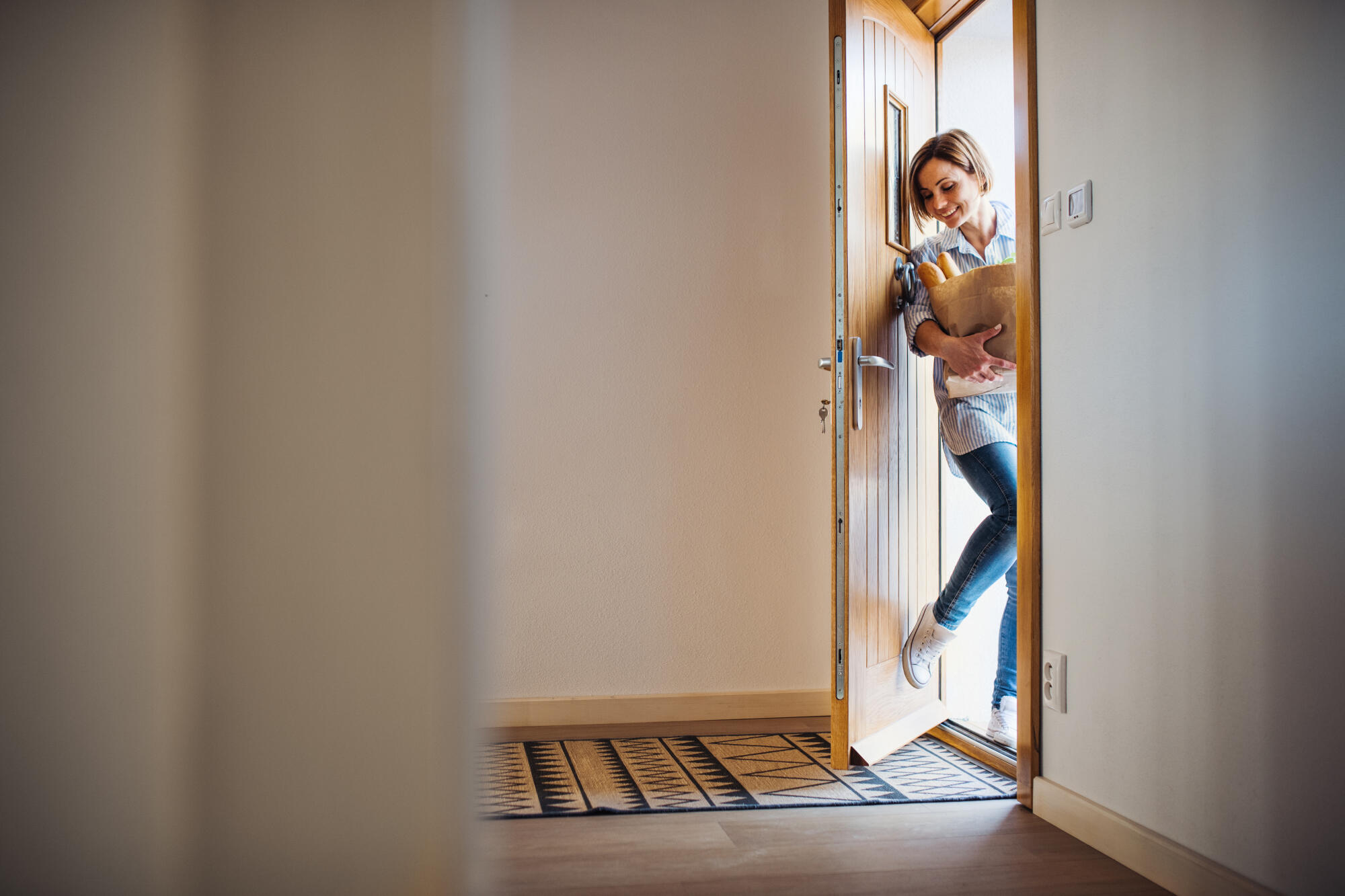
Front door sticking issues can sometimes be fixed by checking the hinges, adjusting the strike plate, sanding down swollen edges, or lubricating the frame. These simple solutions often resolve the problem in minutes. However, if your door continues sticking after trying these fixes, the cause may be more serious.
If you live across Virginia and North Carolina, the seasonal humidity swings and heavy rainfall can create common humidity effects on doors that many homeowners overlook. Wood naturally expands when moisture levels rise, and even small structural changes beneath the home can throw off door alignment.
Those are just some home maintenance tips; knowing how to diagnose and correct a sticking door can prevent larger door frame problems later.
Why Does My Front Door Stick Only in the Morning?
If your door sticks primarily in the morning but eases up later in the day, overnight moisture buildup is often the cause. As temperatures drop overnight, humidity can condense on cooler surfaces, including doors and frames. This temporary moisture exposure causes slight wood expansion that resolves once the sun warms everything up.
What About When a Door Sticks After Heavy Rain?
A door that sticks specifically after rainstorms suggests water infiltration or rising groundwater may be affecting your home’s foundation or crawl space. Heavy rain can saturate soil around your home, increasing hydrostatic pressure against foundation walls or raising moisture levels in the crawl space.
7 Ways to Fix a Sticking Front Door
Once you understand the potential causes, you can work through these solutions. Start with the simplest fixes first.
1. Check for Door Alignment Issues
One of the most common causes of a front door sticking is misalignment. Over time, homes naturally settle. Even minor structural movement can shift the door frame slightly, causing rubbing at the top, bottom, or latch side.
Signs of door alignment issues include uneven gaps around the frame, difficulty latching, or visible scuff marks. If the door appears crooked or scrapes consistently in one spot, alignment may be the root cause.
2. Tighten or Fix Door Hinges
Loose hinges are another simple but common culprit. As screws loosen over time, the door may sag slightly, creating friction against the frame.
Inspect each hinge and tighten the screws carefully. If holes are stripped, replacing screws with longer ones can help anchor them into the framing stud. Learning how to fix door hinges properly can often resolve minor sticking quickly.
However, repeated hinge problems may indicate ongoing movement within the home’s structure.
3. Examine the Door Frame for Shifting
Sometimes the issue isn’t the door at all but the surrounding structure. Subtle door frame problems can occur when crawl space supports weaken or when soil beneath the foundation shifts.
Look for cracks in drywall near the door, gaps between trim and wall surfaces, or doors that suddenly stop closing smoothly. When multiple doors begin sticking at once, structural movement may be involved.
4. Address Humidity Effects on Doors
In coastal and humid regions of VA and NC, moisture plays a major role in door performance. Wood absorbs moisture from the air, expanding during humid months and contracting in drier seasons.
These humidity effects on doors are especially noticeable in summer. Doors may stick temporarily during high humidity and return to normal in cooler months.
Installing a dehumidifier, improving crawl space ventilation, or investing in crawl space moisture remediation can help regulate indoor conditions and prevent recurring expansion.
5. Sand or Plane the Door Carefully
If swelling is minor and structural movement is not present, sanding or planing the rubbing edge may restore smooth operation.
Remove the door and lightly sand the affected area. Avoid removing too much material, as over-trimming can create gaps that impact insulation and security.
This solution works best when the sticking is clearly seasonal and not caused by settlement.
6. Inspect the Threshold and Weatherstripping
Sometimes, a front door sticking occurs at the bottom due to a misaligned threshold. Debris, worn weatherstripping, or warped flooring can create friction points.
Check that the threshold is level and securely fastened. Replace damaged weatherstripping to improve both function and energy efficiency.
Simple home maintenance tips like cleaning debris and adjusting threshold screws can prevent unnecessary wear.
7. Evaluate Underlying Structural or Crawl Space Issues
If adjustments and minor fixes don’t resolve the problem, it may be time to look deeper. Sticking doors often appear alongside sagging floors, cracks in drywall, or uneven surfaces.
Moisture damage in the crawl space can weaken joists and supports, leading to subtle shifts that affect door operation. When a sticking door is paired with floor changes, the issue may extend beyond the frame.
Frequently Asked Questions
Can Seasonal Humidity Really Cause a Front Door to Stick?
Yes, seasonal moisture fluctuations are a common cause. Wood naturally expands when humidity rises, particularly during the summer months in Virginia and North Carolina. Controlling indoor humidity often reduces recurring sticking.
How Do I Know if the Problem Is Structural?
If multiple doors or windows begin sticking, or if you notice sagging floors or drywall cracks, structural movement may be involved. A professional inspection can confirm whether settlement or crawl space damage is contributing.
Is It Safe to Plane a Sticking Door?
Planing can be effective for minor swelling. However, if the sticking is caused by foundation settlement or shifting supports, trimming the door may only mask the underlying issue.
Can Crawl Space Moisture Affect Door Alignment?
Yes. Excess moisture beneath the home can weaken structural supports and increase humidity levels indoors. Over time, this combination may lead to alignment changes and recurring sticking.
Will Fixing a Sticking Door Improve Energy Efficiency?
It can. Properly aligned doors seal more tightly, reducing drafts and improving insulation performance. Addressing moisture and structural issues can also enhance overall energy efficiency.
Stop Your Front Door From Sticking for Good
If you’re dealing with a front door sticking, the solution may be simple maintenance, or it may signal a deeper issue. Identifying the true cause protects your home from unnecessary damage and frustration.
BAY Crawl Space & Foundation Repair provides comprehensive inspections to determine whether humidity, crawl space conditions, or structural movement are affecting your door. Our team delivers long-term solutions that restore proper alignment and safeguard your home’s stability.
Don’t ignore the warning signs. Schedule your inspection now and ensure your front door operates smoothly year-round.