
How Cold Weather and Winter Freezing Affect Your Crawl Space: Preventing Moisture, Drafts, and Foundation Damage

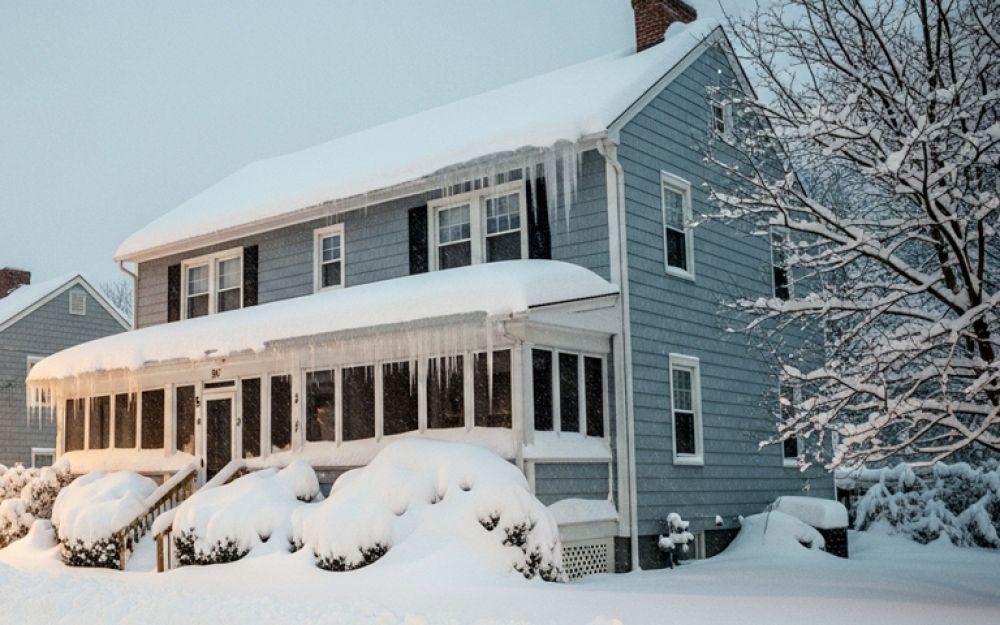
Cold Weather, Winter Freezing, and Your Crawl Space
When winter arrives on the Southeast coast, the combination of cold weather and freezing temperatures creates a perfect storm for your home’s foundation.
Beyond just uncomfortable drafts, freezing ice and snow can lead to significant structural and moisture problems that many homeowners overlook until the damage is done.
The Impact of Freezing Temperatures on Your Home
The extreme cold weather during a coastal winter does more than chill your living space; it physically alters your home.
- Thermal Contraction: As temperatures drop, building materials like wood, drywall, and masonry can shrink, leading to drywall cracks, sloping floors and sticking doors or windows.
- Energy Loss: A vented crawl space allows freezing air to circulate directly beneath your feet, resulting in ice-cold floors and a “cold house” feel that forces your heating system to work overtime.
- Plumbing Risks: Exposed pipes in an uninsulated crawl space are highly susceptible to freezing and bursting during extreme cold.
The Danger of Melting Ice and Snow
One of the most significant threats to your foundation occurs when heavy snow begins to melt.
- Surface Flooding: Because the ground is often still freezing and hard, it cannot effectively absorb the water from melting ice and snow.
- Standing Water: This creates a layer of standing water that can flood your crawl space, leading to mold growth and wood rot.
Protecting Your Home with Encapsulation
The most effective way to combat these winter issues is with crawl space encapsulation.
By sealing the space and installing a sump pump to manage meltwater, you create a controlled environment that protects your floor joists and keeps your home warmer and safer.
Regional Resources for the Southeast Coast
For more information on managing cold weather and moisture in our specific climate, consult these expert resources:
- Environmental Data: The Southeast Regional Climate Center provides detailed historical data on freezing patterns and snowfall for Virginia and North Carolina.
- Building Science: Review research from NC State University regarding moisture control and air quality in crawl spaces.
- Winter Preparedness: Access federal guidelines on protecting your property from ice and snow at Ready.gov.
Winter Crawl Space & Foundation FAQs
The combination of freezing temperatures and melting ice and snow can create unique challenges for homeowners on the Southeast coast. Here are the most frequently asked questions regarding cold weather and your crawl space:
- Can cold weather cause new cracks in my house?
Extreme winter temperatures cause building materials to contract and “shrink.” This often manifests as drywall cracks or sticking doors as the home’s structure shifts slightly. - Why is my crawl space flooding even after the snow stops?
As heavy snow melts, they often create a layer of standing water. Because the ground is frequently freezing or saturated, it cannot absorb the water quickly, leading to crawl space moisture and potential flooding. - Will encapsulation help keep my floors warmer in the winter?
Crawl space encapsulation seals out the freezing outdoor air and prevents it from circulating directly under your subfloor, eliminating “cold floors” and helping you maintain a warmer home. - What is the biggest risk of freezing ice and snow for my foundation? Beyond flooding, the weight and moisture from melting, freezing ice, and snow can exacerbate existing structural problems, such as wood rot or weakened floor joists.
- How do I prevent my pipes from freezing in the crawl space?
The best long-term protection is to insulate and seal the area through encapsulation. This keeps the environment at a more stable temperature, significantly reducing the risk of pipes freezing or bursting during extreme cold weather.
Winter Pro-Tips for Homeowners
To keep your home safe and efficient throughout the winter months, our experts recommend these proactive steps to combat cold weather and freezing conditions:
- Seal Your Vents: If you haven’t yet opted for crawl space encapsulation, ensure your foundation vents are tightly closed. This prevents freezing air from entering and cooling your floors.
- Monitor for Meltwater: After big snows, walk your perimeter to ensure water is draining away from the foundation. Since freezing ground won’t absorb water, melting ice and snow can easily pool against your walls and seep into the crawl space.
- Check for Seasonal Cracks: Inspect your interior walls for new drywall cracks or sticking doors. These are common signs of the home “shrinking” or shifting due to extreme cold weather.
- Insulate Exposed Pipes: For any plumbing still exposed to the elements, use foam pipe insulation. This is a critical secondary defense against freezing and burst pipes when temperatures stay below freezing for extended periods.
- Clear Gutters and Downspouts: Ensure your gutters are clear of debris so that melting ice and snow can flow freely away from your home’s structural beams and floor joists.