

Bay Crawl Space delivers expert crawl space encapsulation across Hampton Roads and the surrounding coastal Virginia communities, solving moisture and structural problems at their source. While sealing a crawl space prevents mold growth, wood rot, and pest infestations, improper installation creates severe property risks that homeowners must understand before moving forward.
Improper installation traps damaging humidity, causes deadly combustion appliance backdrafting, and concentrates dangerous radon gases beneath the living space. Protecting your home requires identifying these hazards and using professional mitigation strategies to keep the structure safe, dry, and structurally sound.
What are the main dangers of crawl space encapsulation?
The main dangers of improper encapsulation include trapped moisture that leads to mold, combustion appliance backdrafting that pulls carbon monoxide into the home, elevated radon gas concentrations, and electrical code violations.
How do you prevent moisture from getting trapped during encapsulation?
Preventing trapped moisture requires laying a minimum 10-mil to 20-mil vapor barrier over the ground, sealing all perimeter seams, and installing a properly sized dehumidifier to keep relative humidity below 50% RH.
Can crawl space encapsulation cause carbon monoxide poisoning?
Yes, sealing vents can depressurize the area and cause atmospheric drafting issues that pull exhaust gases from gas furnaces or water heaters into the home, which requires professional HVAC assessment and combustion testing.
Does encapsulation increase radon levels in the house?
Encapsulation can concentrate radon under the new barrier and force it upward into living areas unless contractors test for radon beforehand and install a sub-membrane depressurization system when necessary.
Should I hire a professional to encapsulate my crawl space?
Professional installation ensures that vapor barriers, drainage systems, electrical components, and HVAC interactions meet safety codes and effectively protect your home from structural damage.
Have you ever investigated your crawl space? If you’re like most homeowners, the answer is a resounding no.
And quite frankly, who could blame you?
Crawl spaces are dark, dirty, and can even emit odors that assault your nostrils. But even so, don’t neglect your crawl space altogether, because serious complications can arise.
That’s why crawl space encapsulation is a great remedy for that vacant underground passage. If you’ve been considering this procedure for your crawl space, keep reading.
In this post, you will learn 5 important things about crawl space encapsulation.
What Is Crawl Space Encapsulation?
Sadly, crawl spaces can become a cesspool of mold, rodents, snakes, and a myriad of other issues that begin to fester. This is due to the damp, warm air crawl spaces experience. To counter this, an encapsulated crawl space is outfitted with materials designed to act as a barrier against moisture.
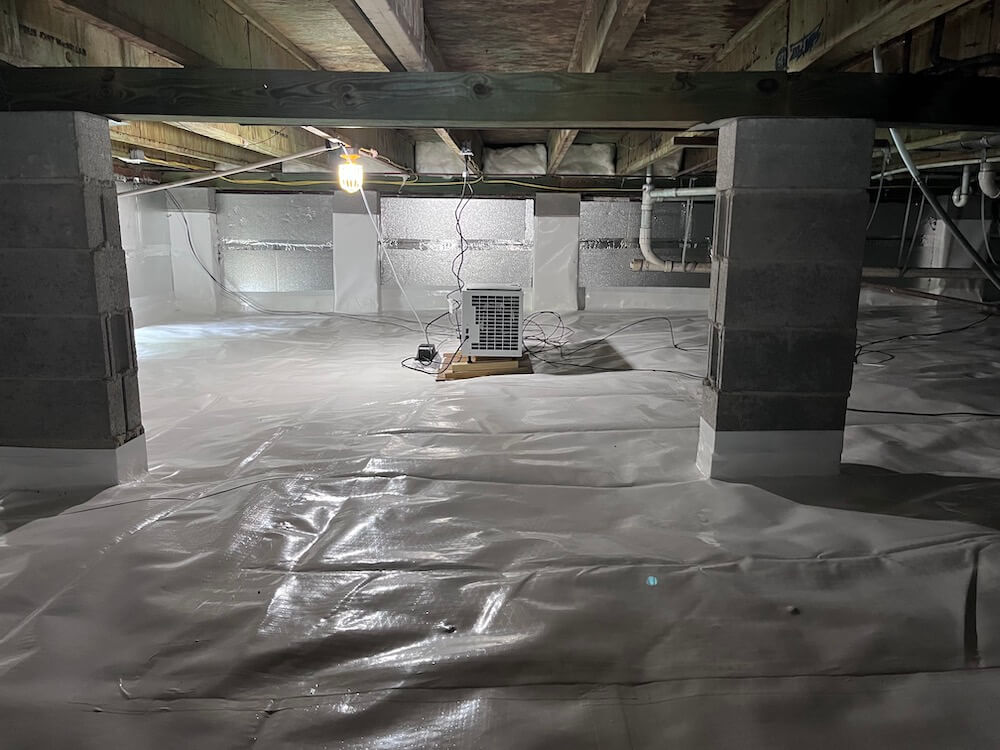
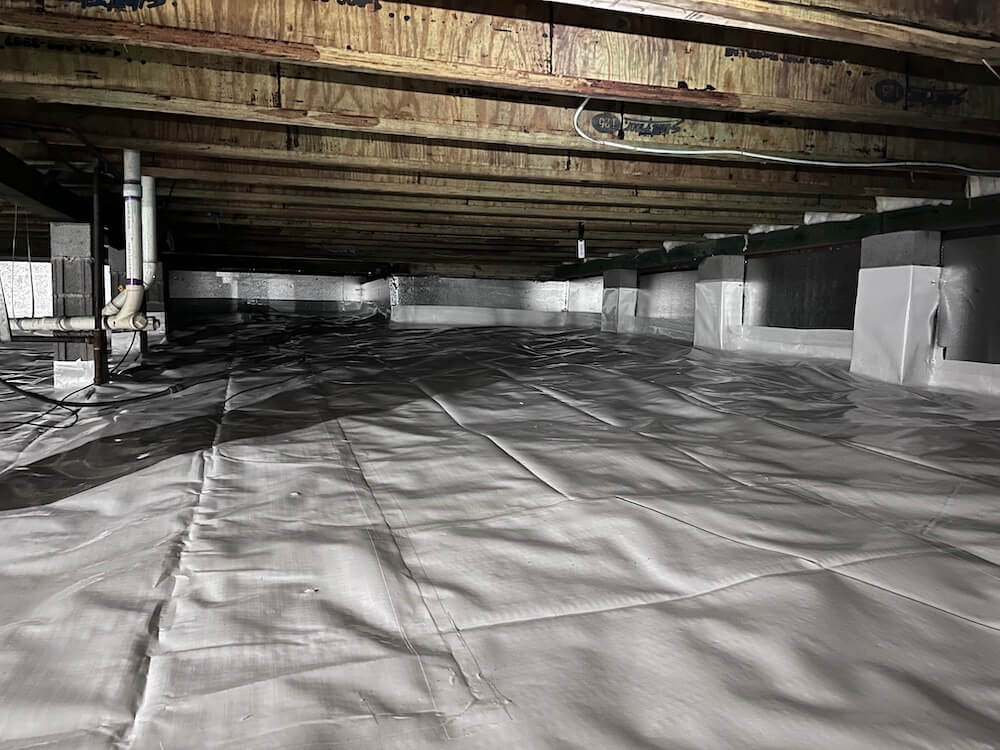
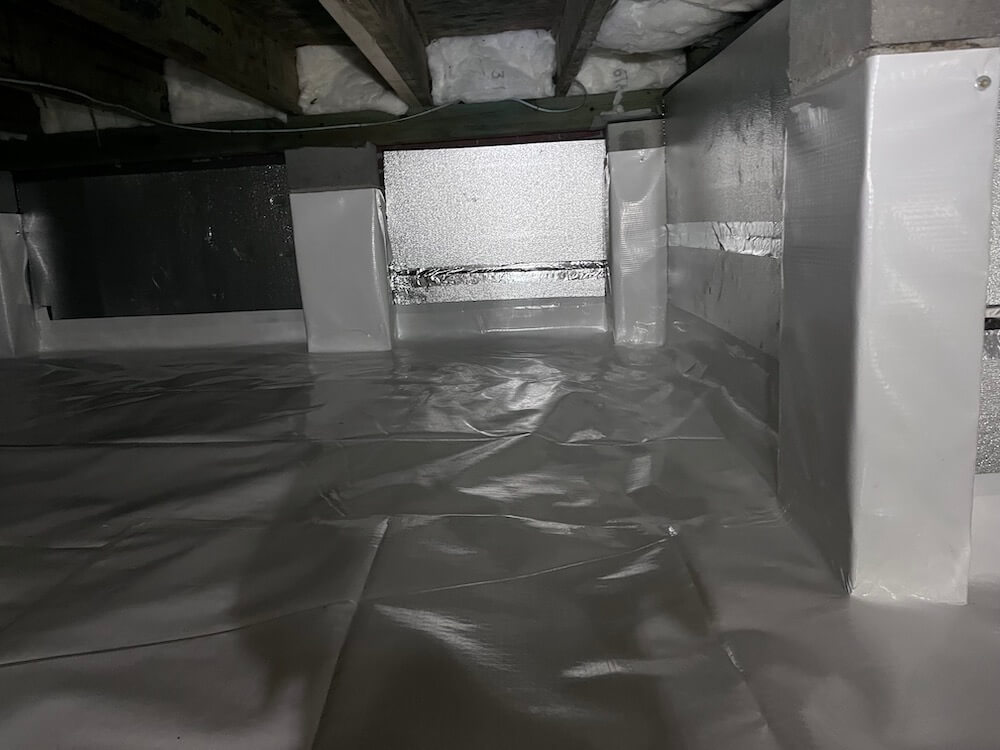
Essentially, crawl space encapsulation is a treatment method that transforms a humid, moldy, dirty crawl space into a dry, clean, unsullied area where mold won’t grow, and pests and rodents won’t want to live. It’s a detailed process that has become a popular home improvement project.
What Causes Crawl Space Issues?
Generally, only a few things contribute most to crawl space issues. And it’s important to know what they are and how to fix them.
Moisture in a Ventilated Crawl Space
A dirt crawl space exposed to the elements through open vents is trouble waiting to happen. If this is the case for your home, have a professional check it as soon as possible. When open vents lead to a dirt crawl space, air, water, pests, and more seep into the untreated space beneath your home. This is where the problems start.
Up to 50% of the air you breathe in your home comes from areas like your crawl space. This means that whatever you happen to have stored away in there- moisture, mold, etc.- is also making its way through the remainder of your house and having an impact on you.
To put this into perspective, even strong and durable metals in your home can be affected. Mold (if left untreated) can begin growing on wood in the home and even rot it over time.
Stack Effect
Your house has an airflow design that moves from the bottom to the top. This is known as the Stack Effect. Air circulates from high-pressure areas to low-pressure areas. This airflow tends to strengthen when the difference between inside and outside temperatures is greater.
What Are Some Solutions?
Every problem has a solution. And luckily, crawl space issues are no different. Several things can help remedy the problems that come from an untreated crawl space.
- Sump Pumps – A machine that discharges water outside of your house
- Thermal Insulation – Insulation helps to protect your walls as well as your foundation from changes in outside temperatures
- Vapor Barrier – This material was designed to safeguard both your crawl space and other parts of your home from damage caused by moisture

Dangers of Improper Encapsulation
Dangers of Improper Encapsulation and Professional Mitigations
- Trapped Moisture and Condensation: Sealing a damp crawl space without a commercial-grade dehumidifier and continuous vapor barrier can spike humidity, accelerating mold growth and floor joist rot. Mitigation: Install a heavy-duty, properly sized dehumidifier to maintain target relative humidity levels below 50% RH, and seal all seams with durable vapor barrier tape.
- Combustion Appliance Backdrafting: Sealing vents can depressurize the crawl space, pulling carbon monoxide and exhaust gases from natural gas or propane water heaters and furnaces back into the living areas. Mitigation: Hire licensed HVAC contractors to perform combustion safety tests, install dedicated combustion air supply ducts, or upgrade to sealed-combustion appliances.
- Radon Gas Concentration: An airtight liner traps naturally occurring radioactive radon gas beneath the barrier, forcing it to enter the home and raising indoor radon concentrations. Mitigation: Conduct baseline radon testing before encapsulation and install a dedicated sub-slab or sub-membrane radon mitigation system if levels exceed EPA guidelines.
- Electrical and Code Violations: Running extension cords, using unrated lighting, or using ungrounded wiring in a damp environment creates severe fire and shock hazards and violates local building codes. Mitigation: Ensure all electrical work uses GFCI-protected outlets, weather-resistant conduit, and licensed electricians who comply with National Electrical Code standards.
How Does Crawl Space Encapsulation Work?
Now that you know what crawl space encapsulation is, it’s time to take a look at how it works.
There are different ways contractors go about doing the job. However, they all follow a similar outline for the process:
- A detailed evaluation or analysis of the current state of the crawl space
- Removing damaged insulation, solving moisture problems, eradicating insects, securing gaps
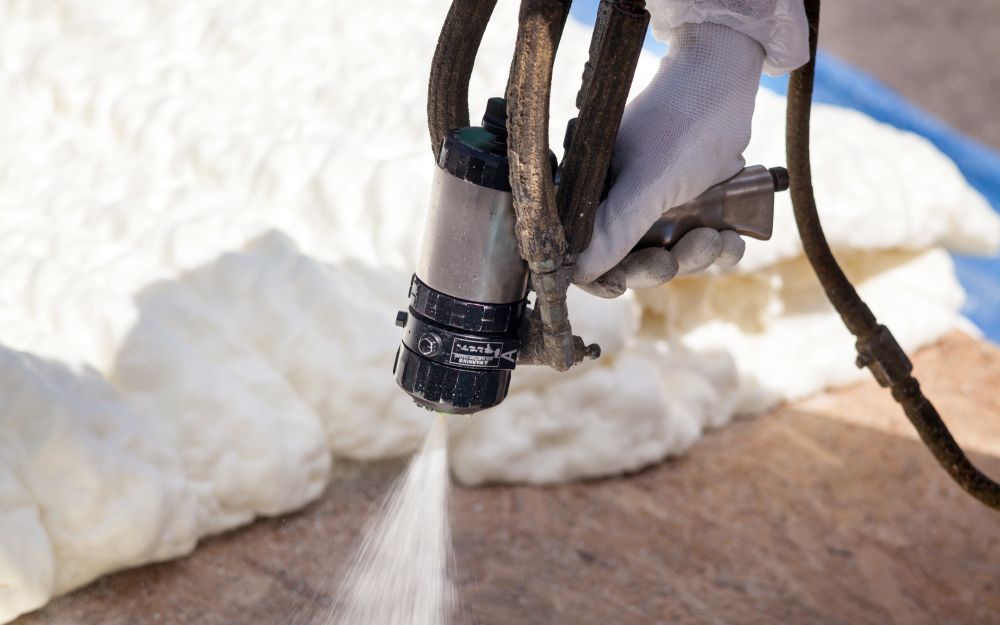
- Applying foam insulation to cover up any holes, cracks, vents, etc and insulate the walls
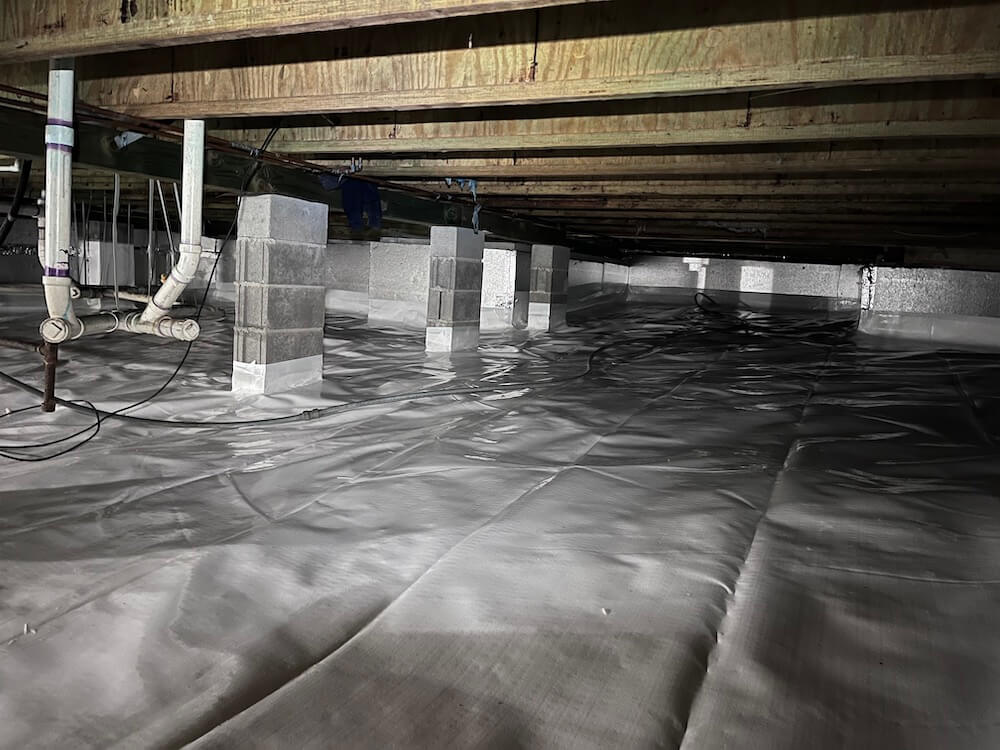
- Install a strong plastic vapor barrier to the floors
- Add a dehumidifier to maintain the optimal level of moisture in the crawl space
Does My Crawl Space Need to be Treated?
Yes, all crawl spaces should be treated; they should be totally sealed and separated from moisture. Why? An unsealed crawl space can become a refuge for all kinds of unwanted things.
If left untreated, that “simple and innocent” crawl space can transform into a nasty ordeal. For example, moisture in your crawl space can fuel mildew growth. This can deteriorate the air quality in your home and, as a result, create an atmosphere that is harmful to you and your family.
Additionally, damp air can rot the timber and planks your home is built with. Floorboards will begin to warp, the wood will lose strength and durability, and the structural integrity of the entire home can be compromised.
That’s why crawl space encapsulation is a necessary step you shouldn’t put off. However, if you still need convincing, here are 5 things you need to know about crawl space encapsulation:
5 Things to Know About Crawl Space Encapsulation
Treating your crawl space properly can save you a lot of pain and heartache (and money). But you may still be curious about some important benefits of this procedure. Here are 5 things that you need to know about crawl space encapsulation:
You Will Have a Mold-Free Crawl Space
Mold and mildew flourish in damp crawl spaces. Pretty much anywhere that’s chronically moist, muggy, and clammy, you’ll find mold beginning to make its presence known. Too much of this kind of exposure can activate allergies and other sensitivities within certain people who may be susceptible as well. Mold isn’t just a fungus; it can also harm your health.
You’ll Be More Comfortable in Your Home
By handling foundation repair through encapsulation, you’ll increase comfort in your home. A ventilated crawl space can heat your home in summer and freeze it in winter. Both can make your living space less comfortable. Without proper crawl space encapsulation, major shifts in outside temperature will affect the temperature inside.
But with proper foundation repair, you can prevent that. As a result, you can breathe easy and feel comfortable knowing your home is properly protected.
Your Utility Costs will decrease.
Encapsulated crawl spaces have both conditioning and insulation working for them. As a result, they’re more energy efficient than before. In fact, the energy savings can be as high as 15% to 20% if your HVAC is in the crawl space! The additional conditioned air from your crawl space will let you ease up on your HVAC system, which, in turn, puts more money back in your pocket over time.
The Structural Integrity of Your Home Will Be Improved
A ventilated crawl space can weaken your home’s foundation. But proper crawl space encapsulation can keep the wood supporting your home’s foundation dry. This helps prevent cracks, sinking, and shifting. In addition, an encapsulated crawl space generally makes your home a cleaner, healthier, and more comfortable place to live.
Reduced Pest and Rodent Invasions
A crawl space that is dark, wet, humid, and damp will almost always attract vermin, pests, and insects. Once they arrive, they multiply quickly, and once they do, they become much harder to eliminate. They can damage your home and your possessions. They can also be very expensive to remove.
By properly encapsulating your crawl space, you can avoid that problem. This is because the materials and methods used remove moisture, making the crawl space less attractive to pests, insects, and other animals.
Don’t Delay: Treat Your Crawl Space Today
Bay Crawl Space Service and Technical Standards
- Serving Hampton Roads, Virginia, including Virginia Beach, Norfolk, Chesapeake, Newport News, and surrounding coastal regions.
- Standard vapor barrier thickness specifications of 10-mil to 20-mil reinforced polyethylene to prevent punctures and moisture migration.
- Target relative humidity maintenance of strictly below 50% RH within the encapsulated space.
- Full compliance with local building codes for combustion safety, electrical wiring, and structural integrity.
Most people have the “out of sight, out of mind” mentality when it comes to their crawl spaces. They don’t think about it until they’re dealing with all the problems that come with ignoring it. Don’t let that be you!
With over 275 years of experience and over 5000 homes serviced, we want to help you next with your crawl space encapsulation treatment.
Contact us today to learn more. We look forward to hearing from you!