
9 Tips for Getting Water Out of Your Crawl Space

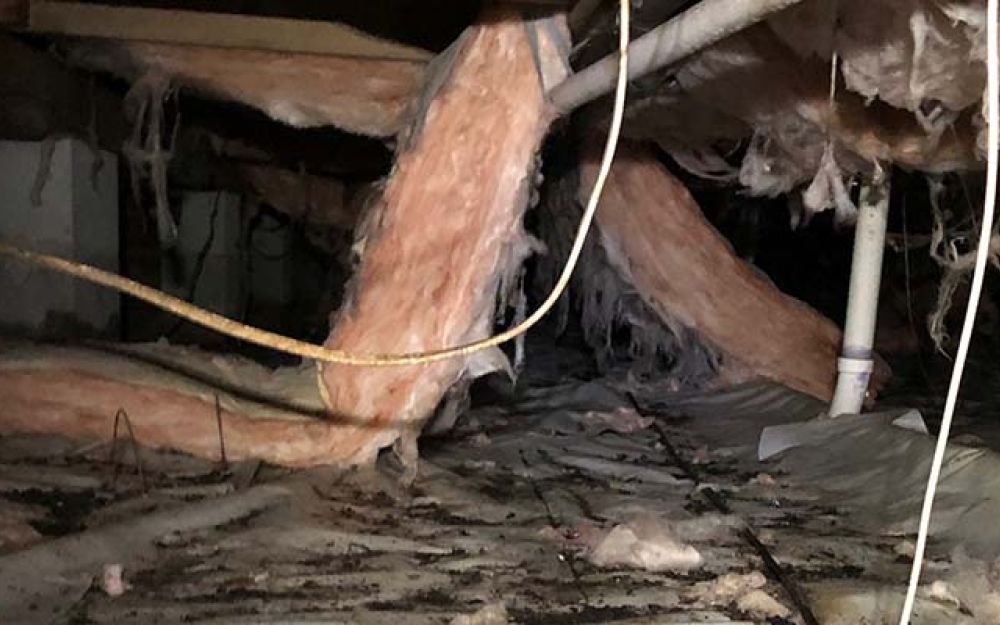
When water is coming into your crawl space, you need to act quickly. Crawl space water removal isn’t easy, but ignoring it will lead to further problems, including mold growth and structural damage. But many of us aren’t sure how to handle the problem.
So, if you’re finding water and moisture in your crawl space, read on. We’ll show you what you need to do to prevent further damage.
For help getting water out of your crawl space in the greater Hampton Roads, VA / NC region, learn more about BAY Crawl Space & Foundation Repair at our Home Page, About Us Page, or Request A Quote Page.
1. Find the Problem
First, find the problem allowing water to enter the area under your home.
The most common causes are siding cracks or leaking pipes. Areas around toilets are particularly prone to letting water into the undercarriage of your home.
If there’s a lot of water, it won’t help to try to remove it before you fix the problem.
2. Get Your Hands on a Submersible Pump
If there’s standing water, you’ll need a pump to remove it. Submersible pumps can be found easily, whether you need to buy or rent one, and will help you make short work of the water under your home.
Only serious flooding will require a pump, but when you do, there’s really no other option.
While a professional is probably the better option for large amounts of standing water, you’ll want to remove any vapor barrier that has been placed and dig a three- to four-inch trench around the outside of the crawlspace.
Place the pump in the impromptu moat and run it there.
3. Use a Wet/Dry Vacuum to Remove Standing Water
A wet/dry vacuum is the usual way to remove water from under the home. They’re a versatile tool, and you can stick them directly in the water so that it gets sucked up and removed.
You’ll want to suck up as much of the water as possible.
Hopefully, you have a vapor barrier down there, or you’ll end up sucking up dirt as well, but the important thing is to remove as much water as possible as soon as you find the problem.
4. Dehumidify the Space
Even humidity can cause serious problems with rot or fungus. The last thing you need is for your subflooring to start to rot, so using a dehumidifier under the home is the best approach.
For best results, install a permanent crawl space dehumidifier and seal the foundation vents. They’re fairly easy to operate. It’s a specialized task and should be properly installed.
5. Remove Contaminated Items
If anything in the crawl space has been wetted down, remove it.
This is doubly important if the spill was sewage-related. Don’t expose yourself to the contamination, but remove any items wetted with blackwater and place them in plastic bags for later disposal before you begin work.
Even regular water spills from rain or a leaking water pipe likely have mildew or mold, and most will need to be disposed of.
6. Decontaminate Sewage Spills
Blackwater is a serious problem. If the initial leak came through sewer piping, you’ve got a lot more work on your hands.
Without a vapor barrier, the top few inches of soil will be contaminated and can pose a serious health risk to the home’s occupants. Don’t let the soil stay.
You’ll need to dig up at least two to three inches of the topsoil to remove it. If you insist on doing it yourself, then make sure that you’re using proper PPE for biological hazards.
That typically means at least gloves, an eye mask, a respirator, and some form of Tyvek to keep your clothing from getting contaminated.
You’ll also need to rig up some form of sled or wagon so that you can move around and remove buckets of soil from underneath the home without lying directly in it.
You’ll also need to decontaminate any wooden surfaces that have been wetted down with bleach.
7. Put It Back Together
If you had to remove a vapor barrier, replace it once you’re done. Keep it tight, and cover 100 percent of the topsoil to prevent condensation problems.
If you remove any dirt, replace it and level the surface before you’re done.
Putting everything back together can be a pain, but it’s necessary, and you should do it as soon as you can.
8. Hire a Professional
As you can see, removing water from a crawl space is no small task. Most people opt for a professional service when the area under their home floods.
For small spills caught early, you may be able to get away with a wet/dry vacuum, but the cost and time investment are often prohibitive. Even if you have the skills to pull it off, it’s generally not worth the effort.
9. Install a Permanent Solution
You can install water management solutions that permanently fix your water problems. With a properly installed French drain and sump pump system, you can enjoy peace of mind that your crawl space will not flood the next time a big rain comes.
Call Us for Crawl Space Water Removal
Crawl space water removal is an involved task and requires equipment most people don’t have lying around the home. You can do it yourself, but it’s not always the best option.
If you’re having trouble with water underneath the home, it may be time to bring in someone with the experience and equipment to handle it.
Get Your Free Estimate Now
[gravityform id=”8″ title=”false” description=”false” ajax=”true”]