
Are Your Crawl Space Vents Making Your Moisture Problem Worse?

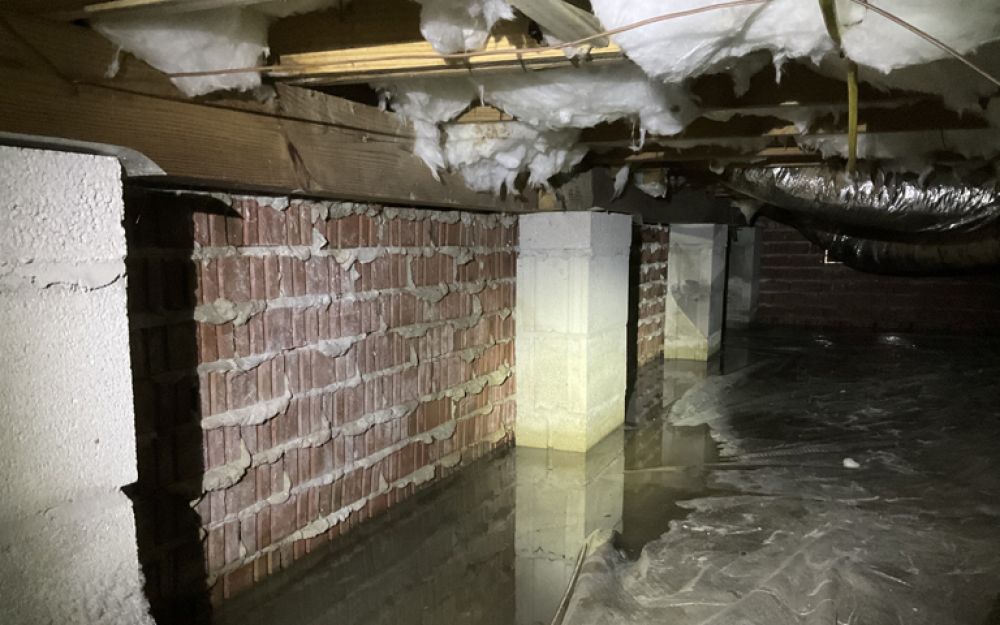
If you live in Hampton Roads — or anywhere near the coast — those open crawl space vents might be doing more harm than good. It’s a common setup, but it’s also one of the most common sources of moisture problems we see under homes.
Here’s what’s actually happening.
Vented vs. Unvented: What’s the Difference?
There are two ways people manage their crawl spaces. You either leave the vents open—a vented crawl space—or seal them off. That’s it: two options, very different outcomes.
The logic behind a vented crawl space makes sense on paper: let the space breathe, let fresh air circulate, keep things from getting stale underneath the house. And in some seasons, it works fine. The problem is that your crawl space doesn’t get to pick which air comes in. Whatever’s happening outside is happening under your house.
Humid summer mornings. Rainy afternoons. That thick coastal air that never quite dries out. All of it flows right in through those vents and parks itself under your floors. Over time, that leads to moisture buildup, mold growth, pest activity, and wood rot — exactly the kind of damage that turns a manageable maintenance issue into a major repair.
Sealing the Vents Isn’t Enough On Its Own
So you seal the vents. Problem solved, right?
Not quite. A sealed crawl space is more reliable than an open one — no question — but sealing the vents alone trades one problem for another. Now you’ve blocked outside air from coming in, but the moisture rising from the soil beneath the house has nowhere to go. You’ve essentially trapped it.
That’s why sealing alone isn’t a complete fix. It’s step one, not the whole answer.
The Full Solution: Crawl Space Encapsulation
The approach that actually works is called crawl space encapsulation. It addresses the problem from both directions — outside air and ground moisture — simultaneously.
Here’s what it involves: the vents get sealed to block outside air. A heavy-duty liner is placed over the soil to prevent ground moisture from rising into the space. And a dehumidifier handles whatever residual moisture remains in the air.
The result is a crawl space that stays consistently dry year-round, no matter what the weather’s doing outside. Humid August? Doesn’t matter. Rainy stretch in February? Doesn’t matter. The environment under your home is stable and controlled, independent of what’s happening outside.
That stability is what protects your floors, your framing, and your air quality over the long haul.
Not Sure What’s Right for Your Home?
Vented or unvented — there’s no single answer that fits every house or every homeowner. It comes down to the condition of your crawl space, your home goals, and the level of protection that makes sense for you.
If you’re in the Hampton Roads area and trying to figure out what to do, give BAY Crawl Space a call at (757) 460-0444. We’ll come out, take a look underneath, show you photos of what’s actually going on, and walk you through your options — no pressure, no guesswork. Just a clear picture of what your home needs and what makes sense to do about it.