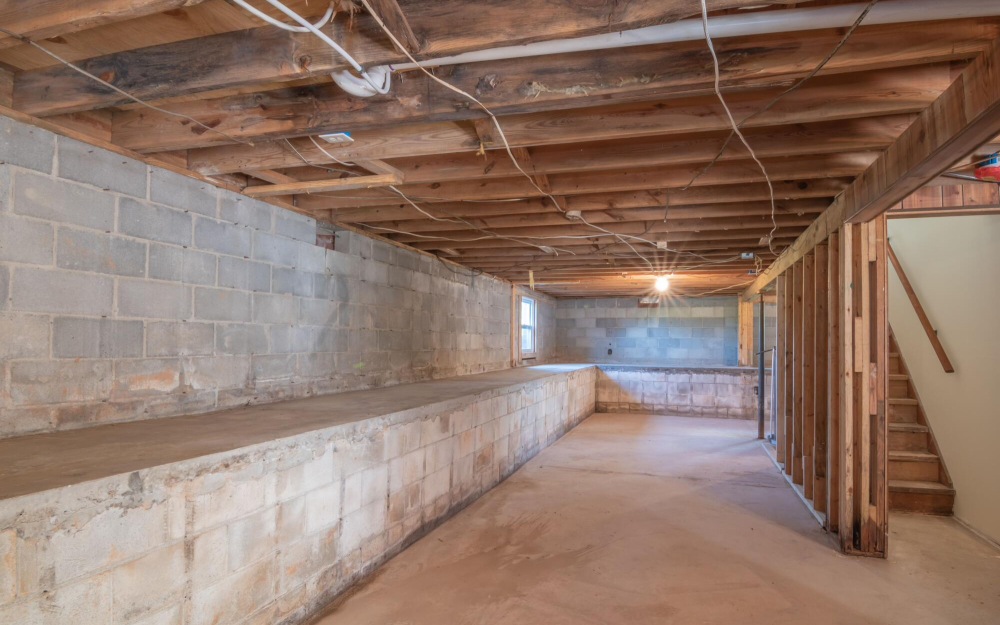
Your crawl space foundation is the structural backbone of your home. When it starts to sag, the temptation to fix it yourself with a $50 adjustable jack from the hardware store is strong. But these quick fixes often cause more harm than good, turning a manageable problem into a costly disaster.
According to the U.S. Department of Energy foundation guidelines, crawl spaces must be free of excessive dampness and water ponding to prevent structural deterioration. Yet many homeowners unknowingly bypass these critical standards when attempting DIY repairs.
Your home’s foundation is not a DIY project. It requires professional expertise.
Why DIY Foundation Jacks Are a Dangerous Gamble
The appeal of adjustable floor jacks is that they are:
- Inexpensive
- Readily available
- Seemingly simple to install
However, adjustable floor jack failure is more common than most homeowners realize. These temporary supports are not designed for permanent structural use.
Unlike professional foundation leveling systems, hardware store jacks lack the load capacity, stability, and durability needed to support a home’s weight over time. They can sink, shift, or even collapse, causing sudden and catastrophic damage.
Real-World Consequences
DIY foundation jacks are not just ineffective; they can be genuinely dangerous. Improper installation of heavy equipment in confined spaces can lead to serious injury. The risks multiply in crawl spaces, which often lack proper lighting, have uneven terrain, and contain electrical or plumbing hazards that complicate any repair attempt.
Even when injury is not involved, DIY jack installations frequently fail because homeowners lack the tools and knowledge to diagnose the root cause of sagging floors. A jack might temporarily lift a sagging beam, but if the underlying issue is soil settlement, foundation wall failure, or termite damage, the jack simply masks the problem while allowing it to worsen.
The Hidden Dangers of DIY Floor Leveling
Attempting to level a sagging floor yourself introduces significant risks. DIY floor leveling dangers include improper weight distribution, undetected structural damage, and the creation of new stress points that can crack walls and ceilings.
According to professional inspection standards, crawlspaces harbor hidden risks, including vertical foundation cracks, pooling water, rodent infestation, and improperly installed support beams that are easily missed by an untrained eye. What looks like a simple fix to an untrained eye often signals deeper structural issues that only a professional can properly diagnose.
Common DIY mistakes include:
- Installing jacks on unstable soil instead of proper footings
- Over-tightening jacks and creating new structural stress
- Failing to address the root cause of the sagging
- Using jacks with insufficient weight capacity
- Ignoring warning signs of ongoing structural movement
Each of these errors can turn a manageable problem into a major structural crisis.
What Professional Foundation Leveling Involves
Professional foundation leveling is a comprehensive process that addresses the underlying causes of sagging floors. Structural beam sistering is one of the most effective techniques used by professionals to strengthen weakened floor joists.
This process involves attaching a new, structurally sound beam alongside the existing damaged joist, effectively doubling its strength. Unlike a simple jack, sistering provides permanent support that distributes weight evenly and prevents future sagging.
Professional foundation leveling also includes a thorough inspection to identify all contributing factors. Moisture damage, termite infestation, and soil settlement are common culprits that DIY solutions cannot address.
Permanent solutions require permanent materials and proper engineering.
The True Cost of Temporary Crawl Space Foundation Fixes
That $50 jack seems like a bargain until you consider the potential consequences. Sagging subfloor repair costs escalate dramatically when temporary fixes fail and allow further damage to develop.
What starts as a simple sag can progress to:
- Cracked drywall and sticking doors
- Uneven floors throughout the home
- Damage to plumbing and electrical systems
- Compromised structural integrity
- Diminished property value
Investing in professional crawl space foundation repair early prevents these escalating costs and protects your home’s value.
An investment in professional repair is an investment in your home’s future.
Why Professional Foundation Leveling Is Worth the Investment
Professional foundation leveling offers peace of mind that no DIY solution can provide. Certified contractors understand soil conditions, load requirements, and building codes that ensure your home remains safe and stable for years to come.
When you choose professional repair, you get:
- Proper diagnosis of the underlying problem
- Engineered solutions designed for your specific home
- High-quality materials rated for permanent structural support
- Warranties that protect your investment
- Compliance with local building codes
These benefits far outweigh the temporary savings of a DIY approach. Your home is likely your largest investment. Protecting it requires professional expertise.
Frequently Asked Questions
How Can I Tell if My Sagging Floor Is Serious?
Any visible sagging in your floor should be taken seriously. Professional inspection is the only way to determine the extent of the damage and identify the underlying cause. Signs like cracks in drywall, sticking doors, and uneven floors all warrant immediate attention.
Can a Sagging Floor Collapse Suddenly?
While sudden collapse is rare, it can happen. The risk increases when temporary jacks are improperly installed or when underlying structural issues are ignored. Professional evaluation helps you understand the urgency of your situation.
What Causes Sagging Floors in Crawl Spaces?
Common causes include:
- Moisture damage
- Termite infestation
- Soil settlement
- Undersized floor joists
- Inadequate support beams
A professional inspection can identify the specific cause and recommend appropriate solutions.
How Long Does Professional Foundation Leveling Take?
Most foundation leveling projects can be completed within a few days to a week, depending on the extent of the damage. Your contractor will provide a timeline based on your specific situation.
Protect Your Home With Professional Foundation Repair
Your crawl space foundation deserves more than a temporary fix. Professional foundation leveling provides the permanent solution your home needs to remain safe, stable, and valuable for years to come.
Bay Crawl Space & Foundation Repair has served homeowners in Hampton Roads for over 10 years. We specialize in professional foundation leveling, structural beam sistering, and comprehensive crawl space repair. Our team delivers permanent solutions that protect your home and your family.
Contact us today to schedule your professional inspection and learn how we can restore your home’s structural integrity.